01 / Choosing a Hotel With Character
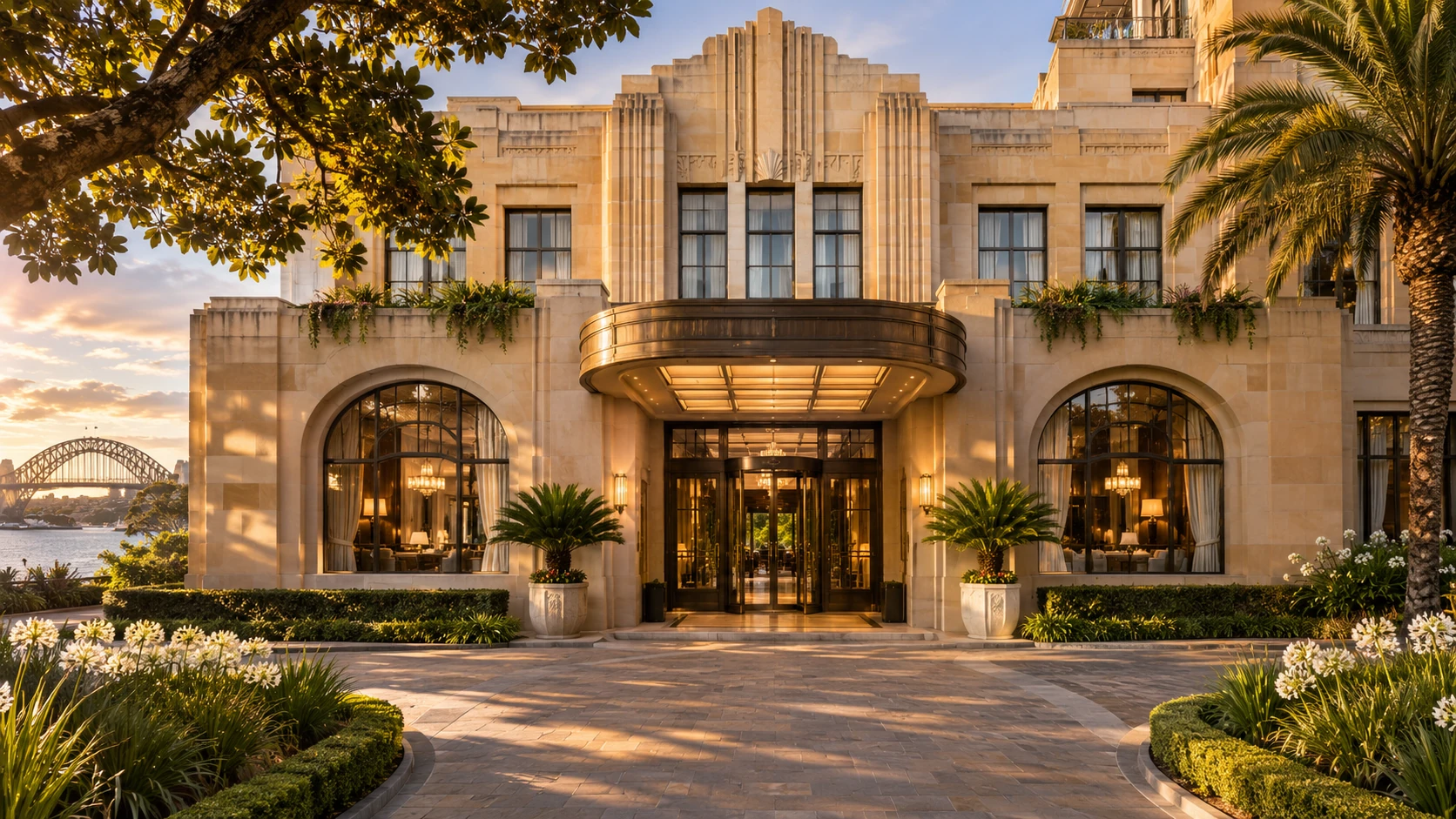
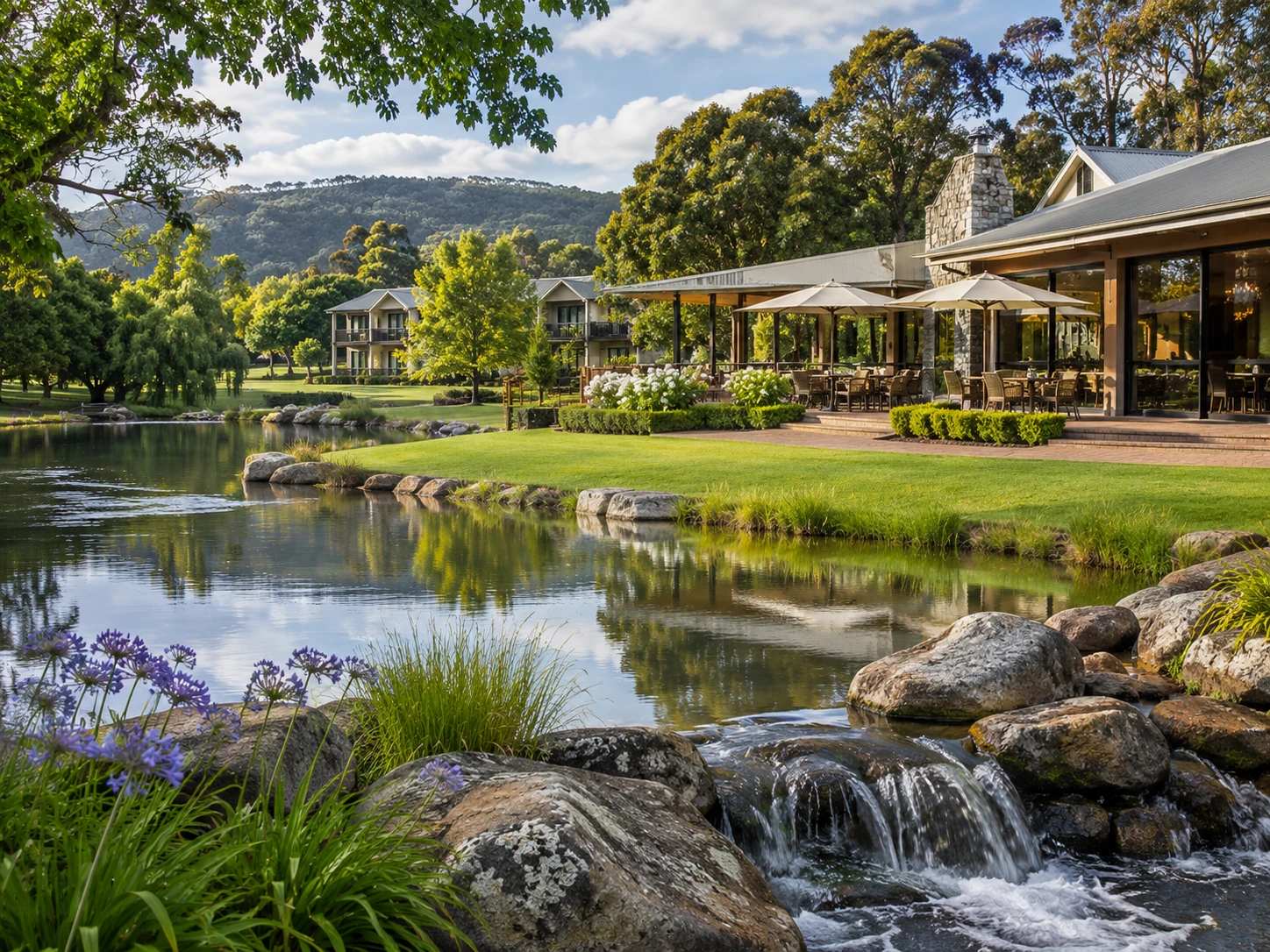
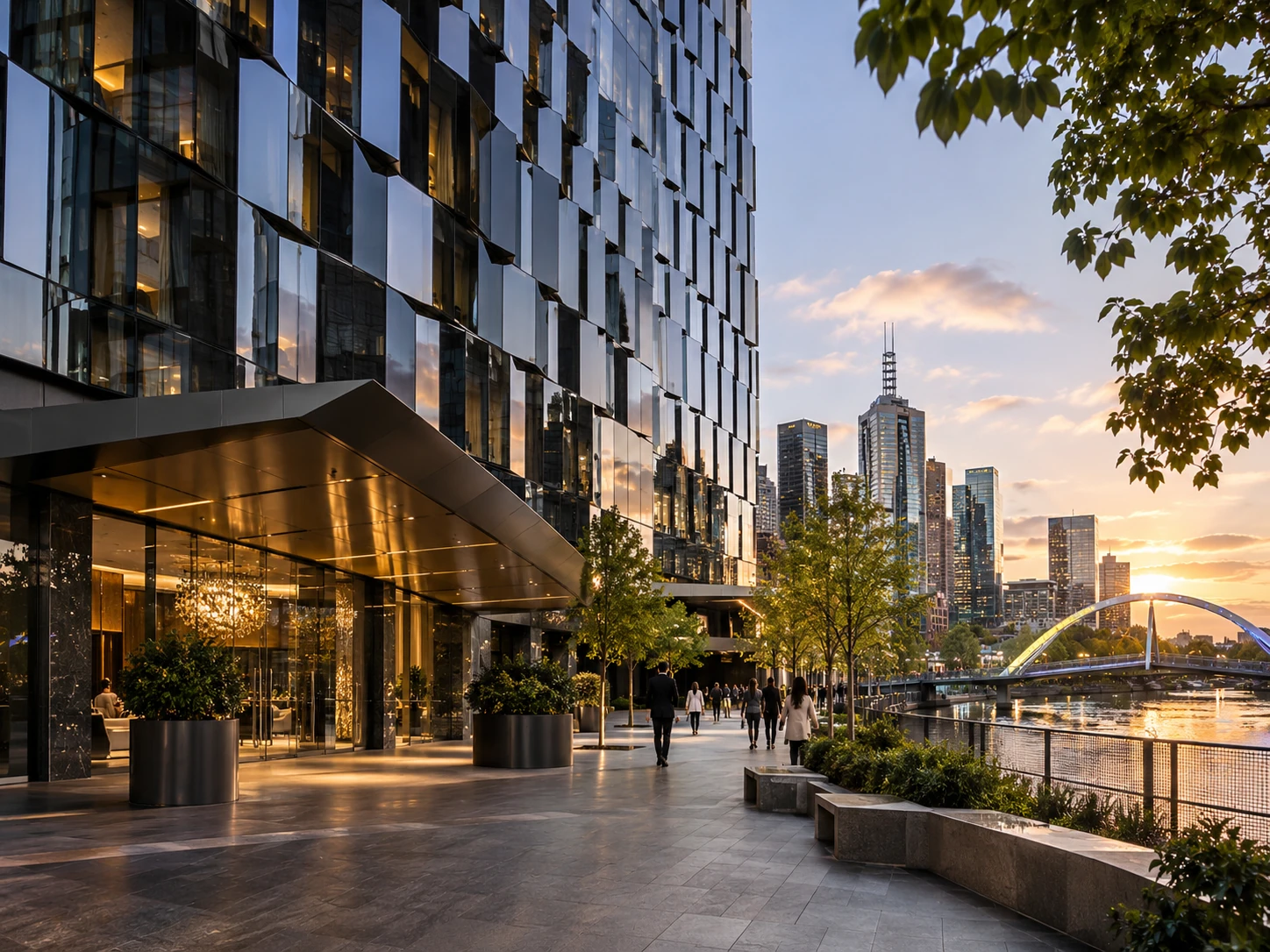
A hotel with character is not necessarily the grandest or most elaborate choice. Character can emerge from a building's relationship with its surroundings, a restrained material palette or a sense that spaces have been designed for genuine use rather than photographs alone. Start with location. A resort set among parkland offers different pleasures from a hotel beside a busy riverfront, and neither is automatically better. Consider what you want to do each day and how much time you expect to spend at the property. The right balance may be a quiet room close to walking paths, or a contemporary city base with restaurants and public transport nearby.
Look past first impressions when comparing accommodation. Room configuration, accessibility, noise, parking, climate control and practical access to facilities can matter more after a few nights than an impressive entrance hall. If a hotel sits within a large resort or entertainment complex, learn the layout before arrival and check where the accommodation is positioned in relation to public activity. Authentic photographs and current official information are especially useful for these decisions. Our editorial descriptions are designed to help frame the questions, not replace the venue's own booking details.
02 / The Pleasure of Thoughtful Hospitality
Thoughtful hospitality is revealed through useful details. Clear arrival instructions, a welcoming public space and a room that supports real rest can contribute more to a stay than an ambitious list of features. Travellers often appreciate a comfortable place to read, reliable access to facilities and a straightforward way to ask about local recommendations. The atmosphere of service also matters: good hospitality allows guests to feel at ease, whether they prefer attentive interaction or a quieter, more independent experience.
Different trips create different expectations. A family group may place accessibility and flexible room arrangements high on its list; a couple on a short break may prioritise a peaceful outlook or a well-located restaurant. Business travellers may need practical workspaces and predictable transport. Read current property information with your own requirements in mind, and contact the hotel directly if something is essential. Accessible accommodation, additional services and late departures are not always included by default. Asking specific questions before a booking is a small step that often makes the entire visit more comfortable.
03 / Dining as Part of the Journey
Restaurants can be among the strongest reasons to remember a destination. A regional menu may offer a first introduction to local produce, while a neighbourhood dining area reveals the social life of a city. Hotel restaurants are convenient, especially after travel or a full day outdoors, but independent establishments nearby can broaden the experience. The most interesting itinerary may include both: a relaxed meal close to the room and another chosen specifically to explore a local neighbourhood. Neither needs to be extravagant to feel memorable.
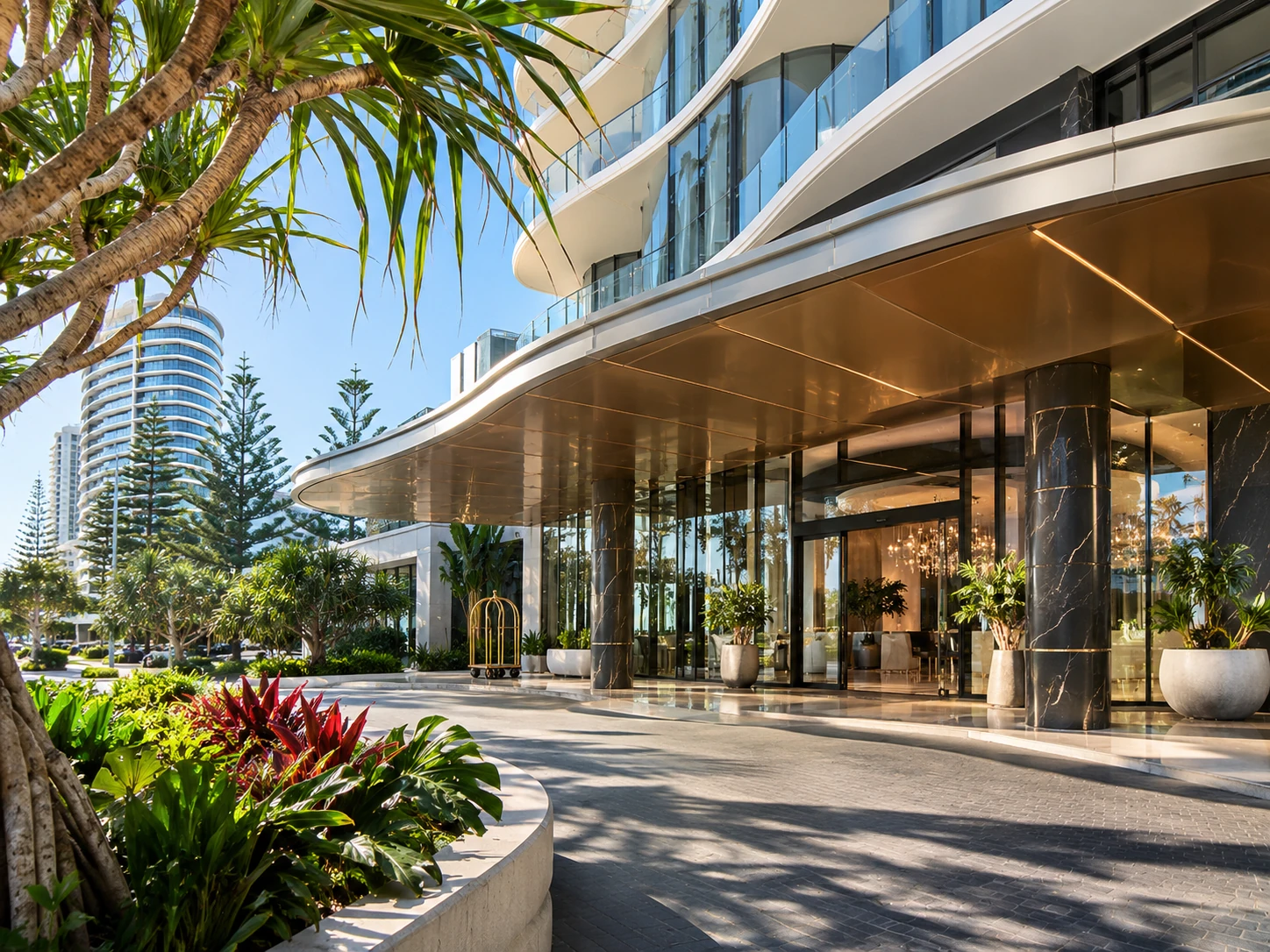
Reservations matter where demand is high, but flexibility remains valuable. Check current opening hours, dietary options, dress requirements and transport if dinner will finish late. Restaurant lists and operating arrangements can change, particularly within large entertainment precincts, so avoid assuming a particular venue is available throughout a stay. In Tasmania, local food culture can connect visitors with the region's rural landscape; on the Gold Coast, a meal can become part of a day spent by the sea; in Melbourne, dining often provides a way to discover unfamiliar streets and communities. In each case, food is part of the destination rather than an isolated amenity.
04 / Planning Entertainment Responsibly
Integrated resort precincts can bring accommodation, dining, performances, leisure venues and casinos close together. This convenience creates choice, but travellers should distinguish between the available activities and decide which genuinely suit their interests. Shows, walks, restaurants and quiet spaces can be the focus of an enjoyable trip without any participation in gaming. When attending a venue, review current admission conditions, age limits, identification requirements and opening arrangements through official channels. Changes to facilities or operations are possible, and an independent guide should not imply access is guaranteed.
Casino gambling is restricted to eligible adults and always carries the possibility of financial loss. It should never be described as a way to cover accommodation costs, earn income or improve a holiday budget. Anyone choosing to gamble should establish an affordable spending limit, decide on a fixed amount of time and stop when those limits are reached. Chasing losses or gambling to manage stress are warning signs. National Gambling Helpline assistance is available on 1800 858 858, and Gambling Help Online offers free confidential support. Travel is richer when entertainment remains a conscious choice rather than an obligation.